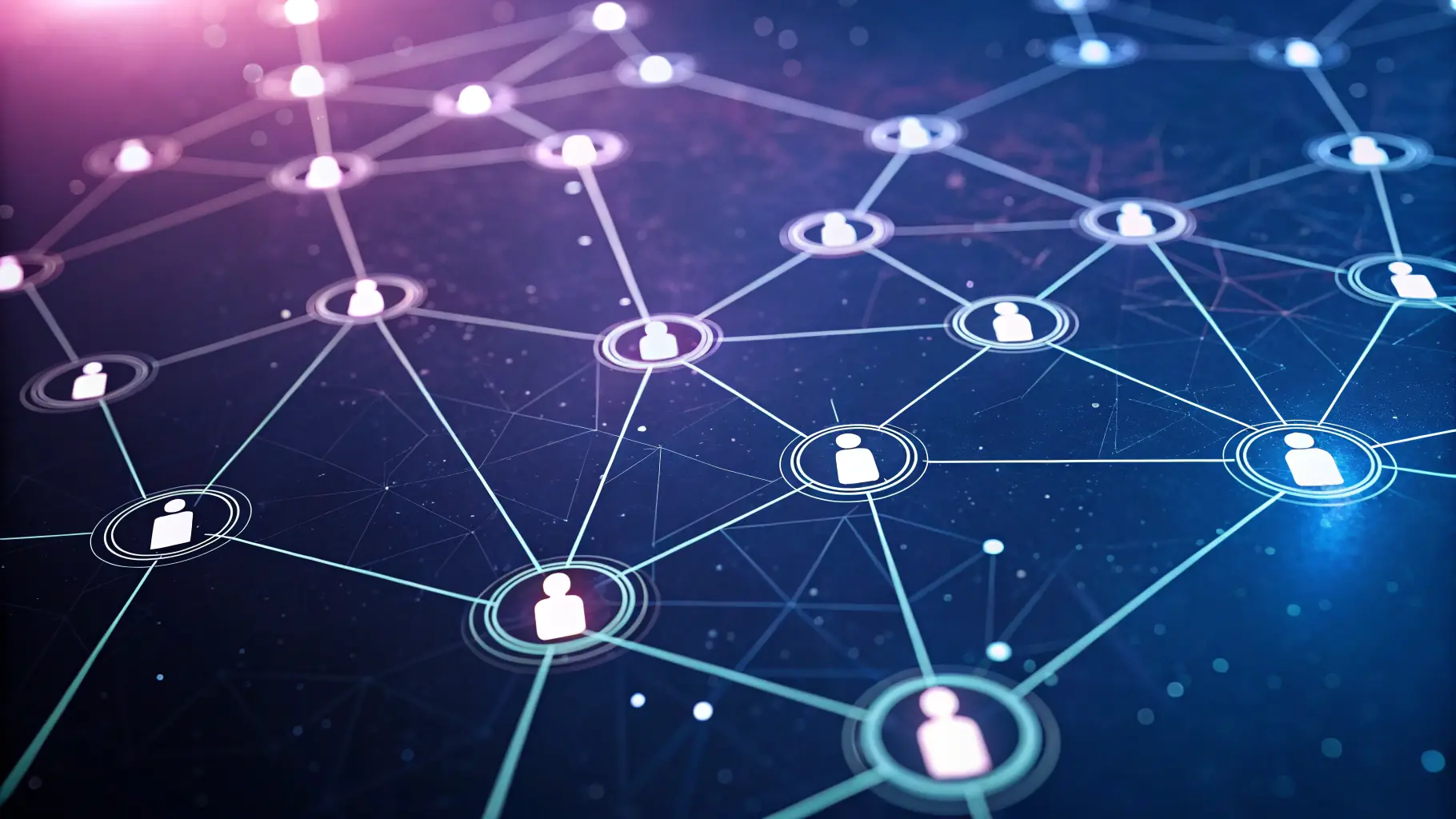
Kabbalah, the ancient Jewish mystical tradition, seeks to understand the hidden dimensions of reality through symbolic language and intricate systems of interconnectedness. At first glance, it may seem worlds apart from the modern field of artificial intelligence, particularly neural networks. However, a closer examination reveals surprising parallels between these seemingly disparate domains. Both Kabbalah and neural networks grapple with the challenge of deciphering complex patterns and extracting meaning from vast amounts of data. They both rely on layered structures and interconnected nodes to process information and generate insights.
In Kabbalah, the Sefirot represent the ten emanations of divine energy, each with its own unique attribute and interconnected with the others. These Sefirot can be seen as analogous to the layers of a neural network, where each layer performs a specific function in processing information. The connections between the Sefirot, known as ‘tzinorot, ‘ represent the flow of energy and influence, mirroring the weighted connections between neurons in a neural network. Just as Kabbalists seek to understand the relationships between the Sefirot to gain deeper insights into the nature of reality, AI researchers strive to optimize the connections between neurons to improve the performance of neural networks.
Furthermore, both Kabbalah and neural networks emphasize the importance of hidden layers. In Kabbalah, the ‘Olam HaTohu, ‘ or World of Chaos, represents the hidden realm of potential and unformed energy. Similarly, in neural networks, the hidden layers perform complex transformations on the input data, extracting features and patterns that are not immediately apparent. By exploring these hidden layers, both Kabbalists and AI researchers seek to uncover the underlying structure and meaning of the universe. This exploration requires a willingness to embrace ambiguity, to experiment with different approaches, and to trust in the power of intuition.